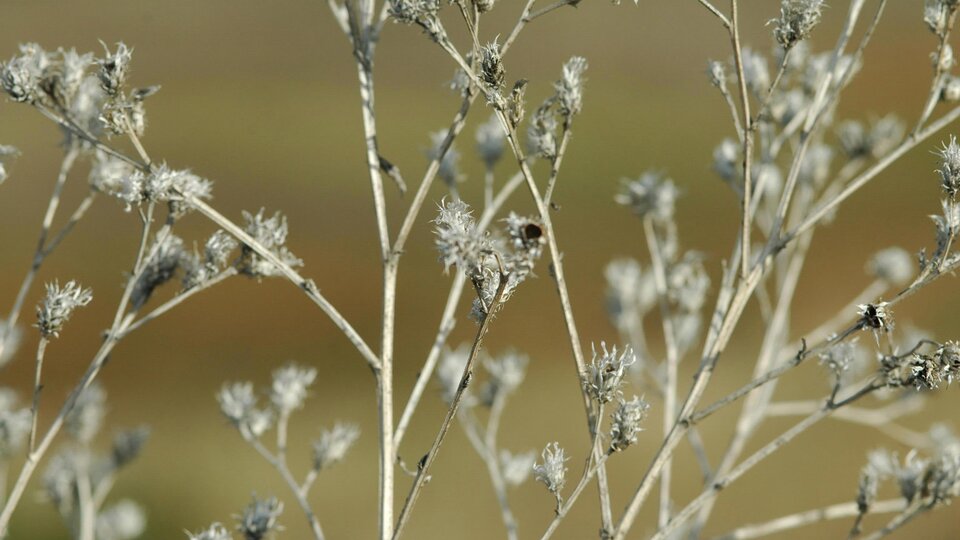
General Information
Species Name: Centaurea diffusa
Also Known As: bushy star-thistle, spreading knapweed, tumble knapweed, white knapweed
Family: Asteraceae (Sunflower)
Growth Form: Forb
Life Span: Biennial
Flowering Dates: June-September
Origin: Europe
Toxic: No, but some people develop a rash after handling the plants.
Noxious: Yes. Diffuse knapweed is listed as a State Noxious Weed under the Noxious Weed Control Act in Nebraska, which means it is required by law for it to be removed from public and private land in the state.
Why Is It Invasive?
It has little value as forage for cattle and limited seasonal value for big game. Infestations increase production costs for ranchers, decrease plant diversity and wildlife habitat, increase soil erosion rates and pose wildfire hazards.
What Does It Look Like?
General Characteristics
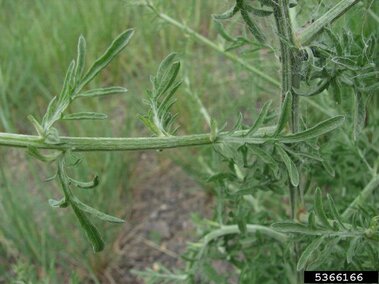
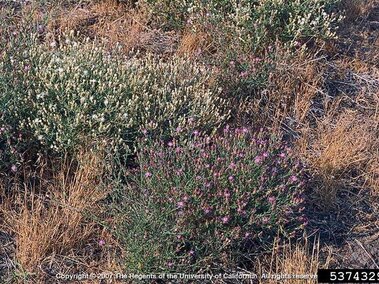
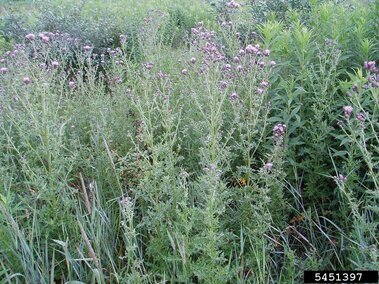
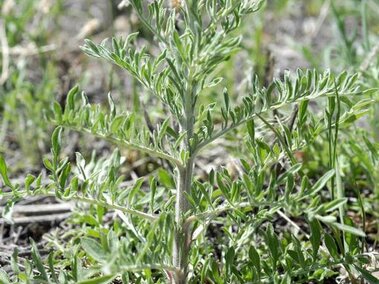
It is an annual, biennial or perennial growing to 3.9 to 31.5 inches. It has a long taproot and generally has one main stem that branches freely. Stems, leaves and flower head bracts covered in hairs. Basal leaves typically die back before plant flowers.
Flowers
Flowerheads numerous and generally narrow. Flowers white or sometimes purplish. Bracts at the base of flowerheads are leathery, have obvious veins and are edged with a fringe of spines plus a longer spreading spine at the tip.
Leaves
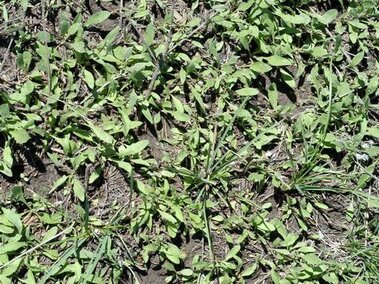
Leaves covered with short dense hairs. Basal leaves (leaves at stem base) are short stalked and often twice divided into narrow lobes, growing to 7.8 inches. Stem leaves reduce in size up the stem with top leaves being stalkless, smaller and less divided.
Stems
Stems have high degree of branching and are typically covered in short, dense hairs.
Seeds
Seeds are dark brown and small without a pappus or it is minute, less than 0.5 mm.
Photos
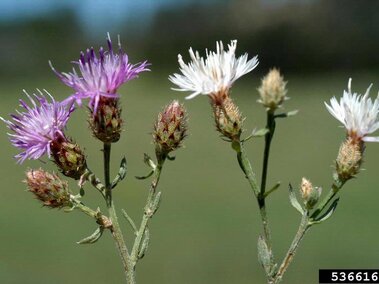
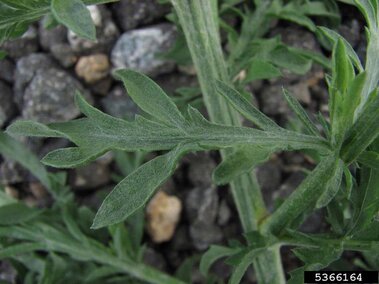
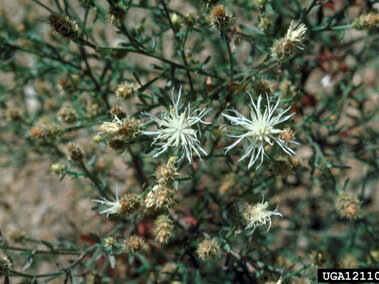
Where Does It Grow?
Diffuse knapweed grows in disturbed and undisturbed prairies, riparian areas, roadsides, waste areas, and open woodlands. It is most common in sandy soils. Grows best in dry, well-drained soils.
How Does It Spread?
Diffuse knapweed reproduces primarily by seed but may also regenerate from the crown. A single flower stalk can produce 1,200 seeds. When the plant is broken off at the base, it can be blown around like a tumbleweed and disperse its seed.
How Do I Control It?
Mechanical
Cultivation will eliminate infestations. Mowing may delay flower production, therefore potentially decreasing seed production.
Contact your county weed control authority to determine appropriate removal methods.
Biological
Biological control agents available for diffuse knapweed are: Agapeta zoegana, the sulfur knapweed moth that have root mining larvae; Bangasternus fausti, the broad-nosed seedhead weevil that have seed-feeding larvae; Cyphocleonus achates, the knapweed root weevil, which has root mining larvae (larvae feeding within the roots); Sphenoptera jugoslavica, the bronze knapweed root borer that have larvae that bore into and tunnel within knapweed roots; Larinus minutus, the seedhead feeding weevil. For more information about the biological control of diffuse knapweed, please contact your local county weed control authority.
Cultural
When buying hay or forage, check to make sure it is weed-free certified. Management should include proper grazing and rotational grazing techniques that would maintain rangelands and prevent invasion. Disturbed areas should be re-seeded with desirable species to prevent spread.
One way that invasive plant seeds and fragments can spread is in soil. Sometimes plants are planted purposefully. You can prevent the spread of invasive plants.
PlayCleanGo: Stop Invasive Species in Your Tracks
REMOVE plants, animals and mud from boots, gear, pets and vehicles.
CLEAN your gear before entering and leaving the recreation site.
STAY on designated roads and trails.
PLANT non-invasive species.
Chemical
Please refer to the 2025 Guide for Weed, Disease and Insect Management in Nebraska or contact your county weed control authority.
What Should I Do If I See It in Nebraska?
If you see diffuse knapweed in Nebraska, you should report it to your county weed control authority. For guidance on what information to include in your report, check out our reporting tips.
References and More Information
California Invasive Plant Council
Center for Invasive Species and Ecosystem Health
Colorado Department of Agriculture
Fraser Valley Invasive Species Society
International Seed Morphology Association
Minnesota Department of Natural Resources
Montana Official State Field Guide
National Invasive Species Information Center
Nebraska County Designated Noxious Weeds
Nebraska Department of Agriculture
Nebraska Weed Control Association
Nebraska Weed Free Forage Program
Nevada Department of Agriculture
North Carolina Extension Gardener Plant Toolbox
Oregon Department of Agriculture
Stubbendieck, J., Coffin, M., & Dunn, C. (2019). Weeds of the Great Plains. Nebraska Department of Agriculture.
Tualatin Soil and Water Conservation District
Washington State Noxious Weed Control Board