General Information
Species Name: Phytophthora ramorum
Also Known As: SOD, Ramorum blight, Phytophthora canker disease
Pathogen Type: Fungus
Organisms Affected: Certain tree species (127 currently identified)
Transmissible to Humans: No
Why is it a Concern?
SOD is a fungus-like disease caused by the virus Phytophthora ramorum, resulting in areas of dead and diseased bark in various tree species, including others than just oak species. There is no cure and it is often lethal, reducing biodiversity and wildlife habitat.
How is it Spread?
SOD is spread through spores which can be transported up to 3 miles in sufficient weather. Spores can be spread through human activity like planting infected trees, moving contaminated soil, or moving infected plant material.
Symptoms and Diagnosis
Symptoms
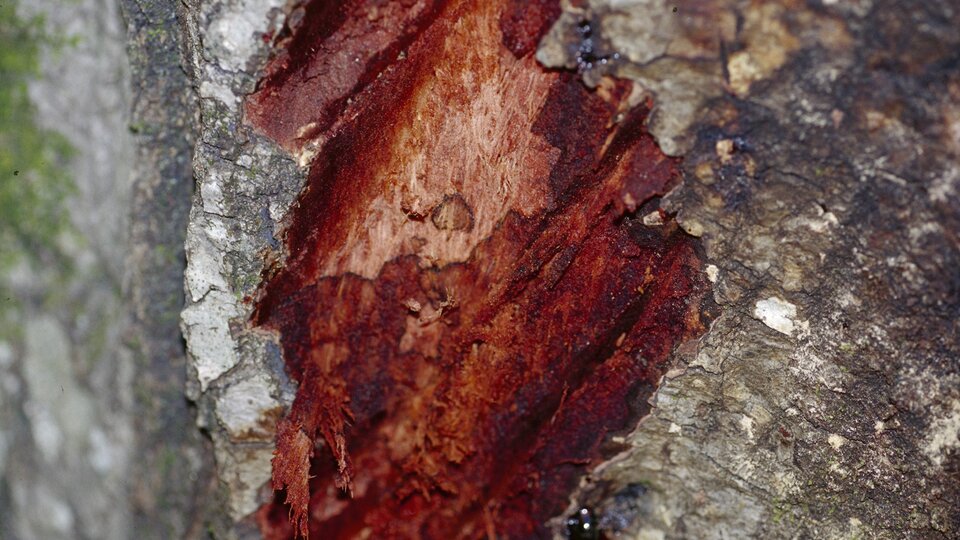
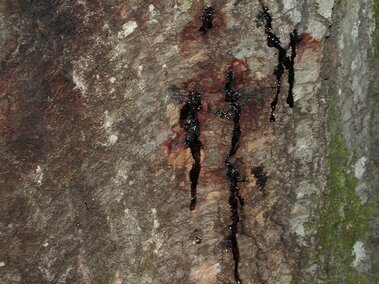
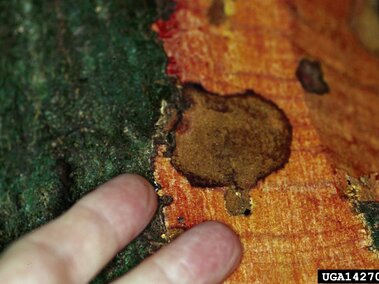
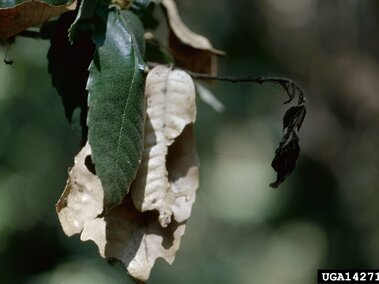
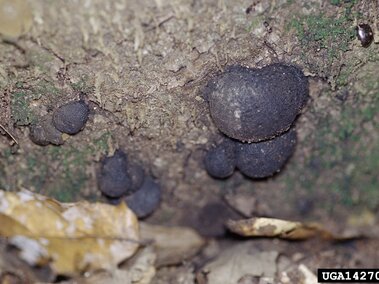
Infected trees may have cankers (damaged/diseased areas of bark) that almost appear to be "bleeding" as the bark turns reddish-brown and red sap seeps from the bark. Leaves may quickly turn brown and the tree may die quickly. Leaves may have large brown blotches on them or be wilted with brown edges. Young stems may turn brown and shrivel.
Diagnosis
Laboratory sampling is required to confirm SOD, which can be done through bark or leaf samples.
Photos
Control
Cultural
Only buy plants from reputable, trusted sources and inspect plants thoroughly for symptoms of SOD before bringing them home. Do not move contaminated soil or relocate plants that appear to be sick or dying. Disinfect planting and gardening supplies in between plants.
When selecting new trees to plant, plant a tree species that is not susceptible to SOD.
APHIS Lists of Proven Hosts of and Plants Associated with Phytophthora ramorum
Mechanical
If you must remove an infected tree from your property, try to leave debris on your property so spread risk to other areas is reduced. If you remove the tree and debris from your property, dispose of it in a way that reduces risk of disease spread and ensure the wood is not transported to areas with other susceptible species.
What to Do if You Suspect SOD
If you suspect you have a case of SOD on your property, contact the Nebraska Plant & Pest Diagnostic Clinic.
References and More Information
California Oak Mortality Task Force
Minnesota Department of Agriculture
North Carolina Department of Agriculture and Consumer Services
USDA Animal and Plant Health Inspection Service
University of California Statewide Integrated Pest Management Program
University of Maryland Extension