General Information
Species Name: Poa pratensis
Family: Poaceae (grasses)
Growth Form: Grass
Life Span: Perennial
Origin: Europe
Noxious: No
Why Is It Invasive?
Kentucky bluegrass outcompetes native plants, reducing biodiversity in grass prairie systems and other plant communities. It also invades pastures and rangelands and, although highly palatable, may be considered undesirable forage due to its intolerance for heat in the summer.
What Does It Look Like?
General Characteristics
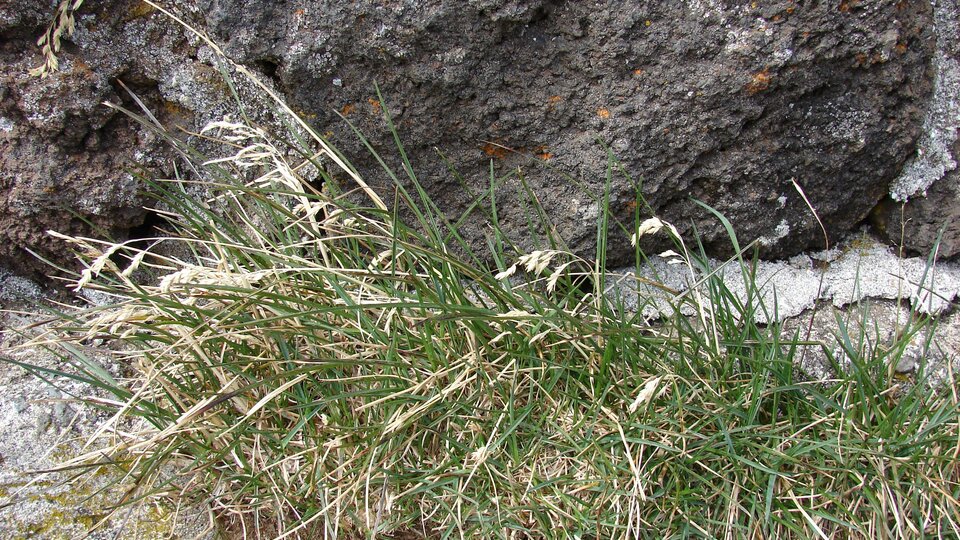
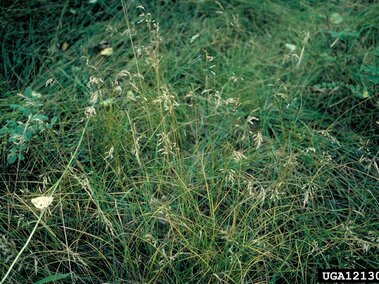
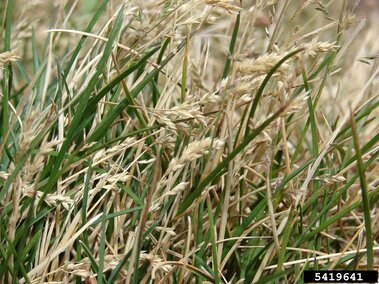
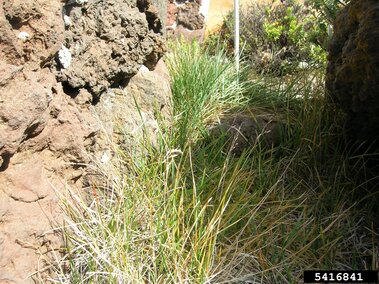
Narrow, dark green grass.
Seedhead
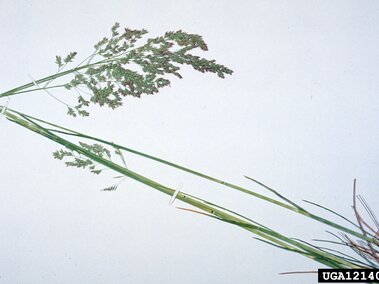
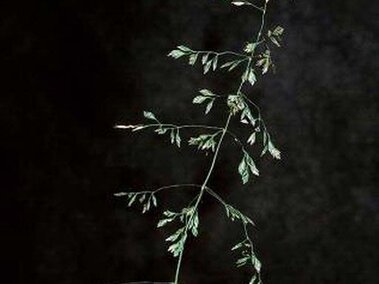
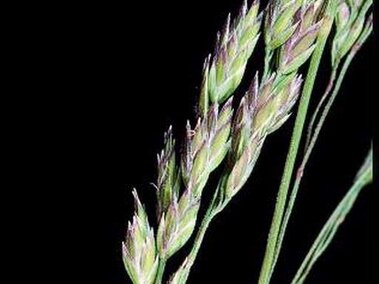
Seedheads grow in spikelets that are pyramidal and spreading. Spikeles grow to be 2-8 inches long.
Leaves
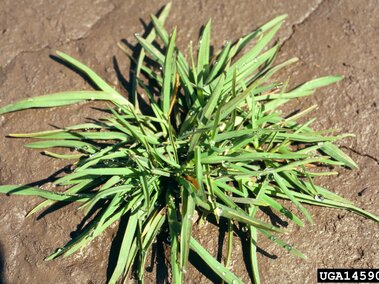
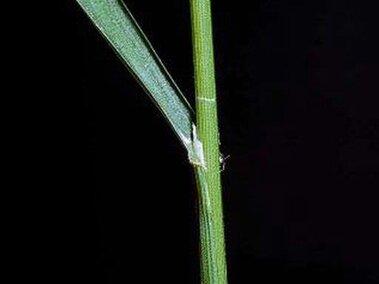
Leaves are basal, narrow, and v-shaped.
Stems
Stems can grow to be 18-24 inches long, but are often 2-6 inches long during grazing.
Photos
Where Does It Grow?
Kentucky bluegrass can be found across the United States. It does best in well-drained, fertile soil but can be successful in other soil types as well. Although dormant throughout severe hot weather and droughts, it can survive during severe droughts. It can be found in range and grasslands and can invade prairie ecosystems. Kentucky bluegrass is often intentionally planted for use in lawns.
How Does It Spread?
Kentucky bluegrass was initially introduced in the 1600s and was spread by people to be used as forage. It can spread through seed and rhizomes. It continues to spread today through human activity including accidental movement and intentional planting.
How Do I Control It?
Mechanical
Prescribed burning has been known to successfully manage Kentucky bluegrass, but results can be variable. Mowing is discouraged as it can stimulate rhizome elongation.
Contact your county weed control authority to determine appropriate removal methods.
Cultural
Kentucky bluegrass is considered excellent forage for livestock. However, grazing may increase the plants abundance. Heavy grazing during high temperatures or drought may reduce plant quantities, but impacts on other surrounding, desirable plants should be considered.
Use only certified, weed-free hay.
Some plants can be moved accidentally by people. Take some simple steps to avoid spreading invasive plants:
REMOVE plants, animals and mud from boots, gear, pets and vehicles.
CLEAN your gear before entering and leaving the recreation site.
STAY on designated roads and trails.
PLANT non-invasive species.
PlayCleanGo: Stop Invasive Species in Your Tracks
Herbicide
Please refer to the 2026 Guide for Weed, Disease and Insect Management in Nebraska and/or contact your county weed control authority.
References and More Information
North Dakota Department of Agriculture
Stubbendieck, J., Coffin, M., & Dunn, C. (2019). Weeds of the Great Plains. Nebraska Department of Agriculture.
USDA Natural Resources Conservation Service