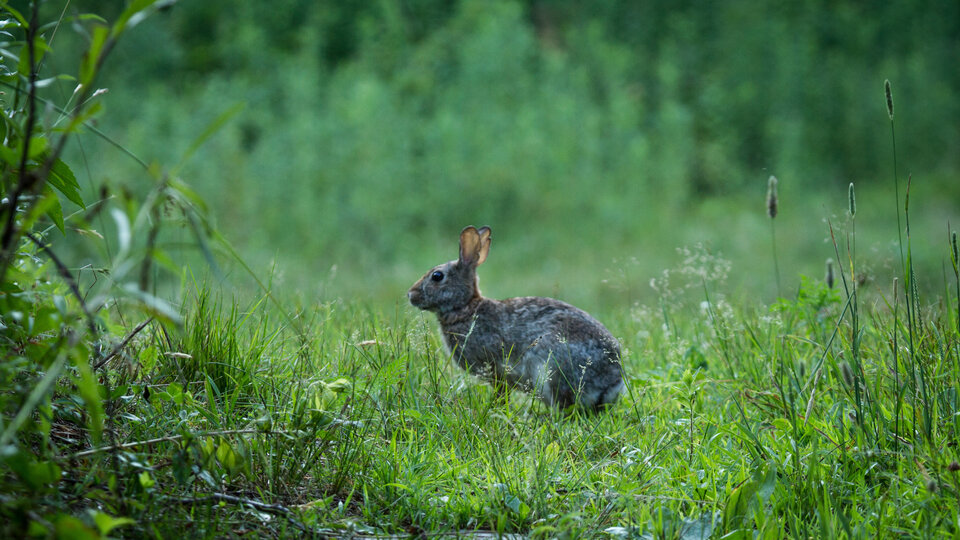
Credit: David Cappaert, Bugwood.org
General Information
Species Name: Lagovirus spp.
Also Known As: RHDV
Pathogen Type: Virus
Organ System Affected: Liver, blood and clotting
Organisms Affected: Rabbits and hares
Transmissible to Humans: No
Why is it a Concern?
RHDV is a highly infectious and highly lethal virus that affects rabbits and hares, domestic and wild. It is a persistent virus that can survive outside of a host for more than 3 months. Oftentimes, infected individuals may not show symptoms before death. RHDV has a mortality rate between 50-100%.
How is it Spread?
RHDV is shed through all body secretions including saliva, urine, feces, and nasal discharge. It can be spread through direct contact between rabbits and hares and contact with contaminated surfaces.
RHDV has been documented in the United States. Currently, there are no documented cases of RHDV in Nebraska.
Symptoms and Diagnosis
Incubation Period
Symptoms typically surface within 12-36 hours of infection.
Forms
RHDV1 (RHDVa or classical RHDV) was the initial strain first detected in the 1980s. RHDV2 was first detected in 2010 and has displaced RHDV1 in many places due to its fast ability to spread.
Symptoms
Symptoms of infected individuals may include:
Sudden death
Nosebleeds or blood-stained nose
Seizures
Fever
Lethargy
Anorexia
Difficulty breathing
Loss of coordination
Red conjunctiva
Diagnosis
Diagnosis is confirmed post-mortem through necropsy and PCR testing.
Prevention and Control
Vaccination
An experimental vaccination for use in domestic rabbits has been authorized for emergency use. Consult your veterinarian for more information and to determine if vaccination should be considered for your domestic rabbit.
Maintain and Safe and Sanitary Environment for Your Rabbit
Rabbit owners should wash hands before and after handling rabbits and prevent unnecessary people from interacting with your rabbit. Avoid allowing your rabbit to run on the ground outdoors and only feed forage and pellets from unaffected states. House your rabbit indoors and quarantine new and returning rabbits for 30 days.
Avoid Wildlife
Avoid areas where wild hare and rabbits frequent. Do not approach or touch wild rabbits and hare and do not move deceased bodies.
What to Do if You Suspect RHDV
Domestic Rabbit Exposure
If your rabbit has been exposed to RHDV, is showing symptoms, or suddenly passed away, contact your veterinarian immediately. Isolate the rabbit, sanitize areas it inhabited, minimize handling, and wash your hands after interactions.
Suspected Infected Wildlife
If you suspect wild rabbits or hares may be infected with RHDV, contact your nearest Nebraska Game and Parks office immediately. Do not attempt to approach or move the suspected infected rabbits and keep away from areas which they inhabit.
References and More Information
American Veterinary Medical Association
Cornell University College of Veterinary Medicine
USDA Animal and Plant Health Inspection Service
Nebraska Animal and Plant Health Protection Program
Nebraska Department of Agriculture
Nebraska Game and Parks Commission
Washington State Department of Agriculture