General Information
Species Name: Allium vineale
Also Known As: wild onion, crow garlic, field onion, Jamestown-grass, scallion, rush-leek, meadow leek, meadow garlic, Stag's garlic, ramsons
Family: Liliaceae (Lily)
Growth Form: Forb
Life Span: Perennial
Flowering Dates: April-June
Origin: North America
Toxic: No
Noxious: No
Why Is It Invasive?
Field garlic can grow in agricultural areas, causing a reduction in crop quality, especially in grains. When consumed by dairy cows, it can cause the milk to have a garlic-like odor. It will establish in a variety of conditions and areas including disturbed sites, roadsides, meadows, and agricultural areas.
What Does It Look Like?
General Characteristics
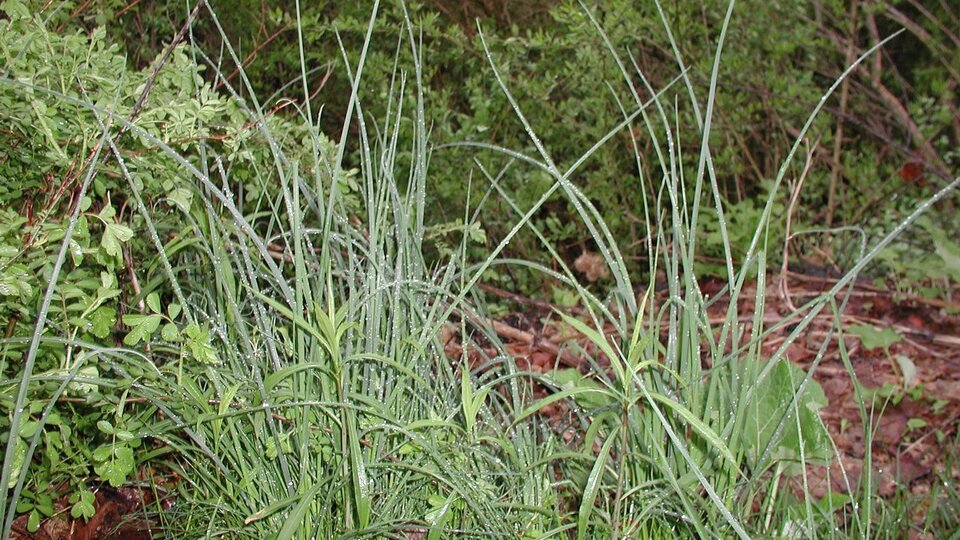
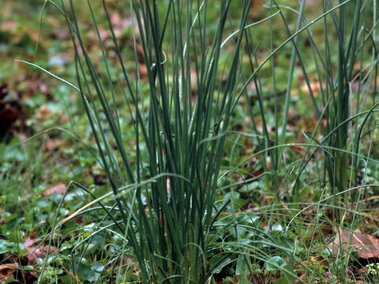
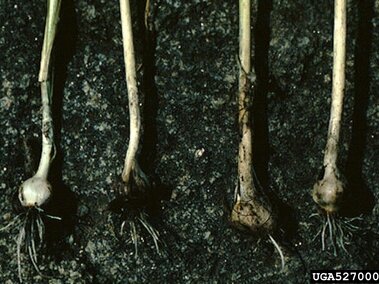
Field garlic can grow to nearly 4 feet in height and has long, slender, dark green leaves. It has a strong garlic odor when damaged.
Flowers
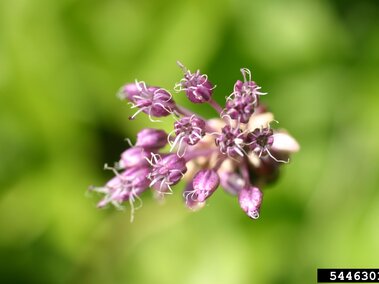
Flowers are small, about 1/4 inches long, and are white, green, or light purple. They are bell shaped and the tips of the petals are pointed.
Leaves
Leaves are whorled about the base, narrow, and taper to a point.
Stems
Stems are round, unbranched, smooth and leafless.
Seeds
Seeds are black, shiny, and honey-combed.
Photos
Where Does It Grow?
Field garlic grows in pastures, agricultural areas, disturbed sites, lawns, and roadsides. It does best in areas with sufficient moisture during the summer. It is well-established in Nebraska and can be found throughout the Eastern half of the United States and along the West Coast.
How Does It Spread?
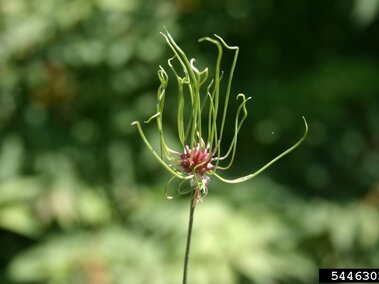
Field garlic produces via seeds and bulbs. Bulblets are difficult to distinguish from grains and may contaminate grain crop or shipments.
How Do I Control It?
Mechanical
Hand pull and dig out bulbs with a trowel. Mowing can help prevent seeding.
Contact your county weed control authority to determine appropriate removal methods.
Cultural
Avoid using grazing as a management technique, as meats and milks can be ruined by a garlic-like smell if field garlic is consumed by that animal. Consuming high amoutns of field garlic can cause gastroenteritis or anemia in livestock.
One way that invasive plant seeds and bulblets can spread is in soil and through seed transport by people. You can help prevent invasive plant spread in a few simple steps:
REMOVE plants, animals and mud from boots, gear, pets and vehicles.
CLEAN your gear before entering and leaving the recreation site.
STAY on designated roads and trails.
PLANT non-invasive species.
PlayCleanGo: Stop Invasive Species in Your Tracks
Herbicide
Please refer to the 2026 Guide for Weed, Disease and Insect Management in Nebraska and/or contact your county weed control authority.
References and More Information
Cornell College of Agriculture and Life Sciences
Iowa State University Extension and Outreach
Nebraska Weed Control Association
North Carolina Extension Gardener
Stubbendieck, J., Coffin, M., & Dunn, C. (2019). Weeds of the Great Plains. Nebraska Department of Agriculture.
University of California Statewide Integrated Pest Management Program