General Information
Species Name: Taeniatherum caput-medusae
Also Known As: medusa's head, medusahead rye, medusahead wildrye, medusahead grass, rough medusahead
Family: Poaceae (Grass)
Growth Form: Grass
Life Span: Annual
Flowering Dates: May-Late June
Origin: Mediterranean Region
Noxious: No
Why Is It Invasive?
Medusahead has little value for livestock grazing and will colonize in areas of disturbance where existing perennial vegetation has been destroyed or weakened. Medusahead may colonize native communities, but will not overrun them until a disturbance occurs. Medusahead also has shallow root systems, increasing erosion.
What Does It Look Like?
General Characteristics
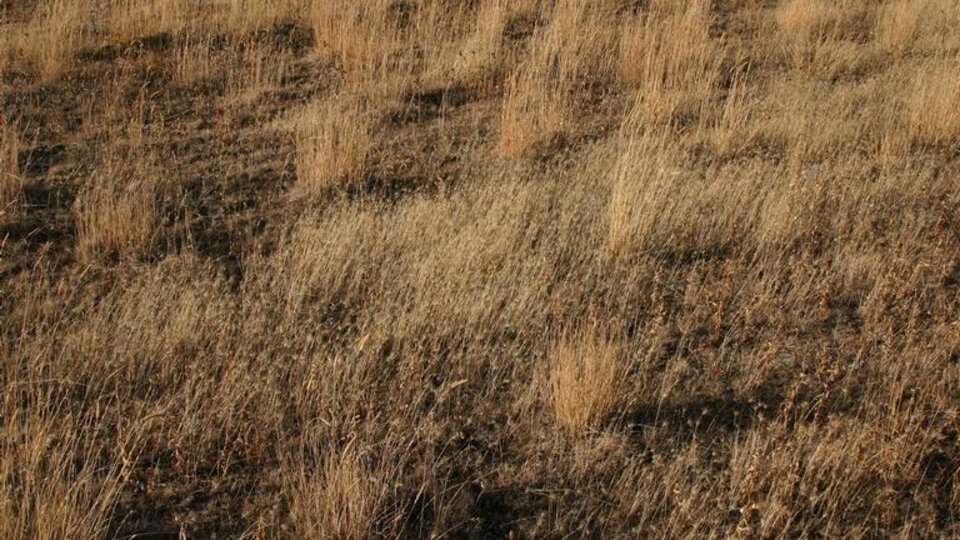
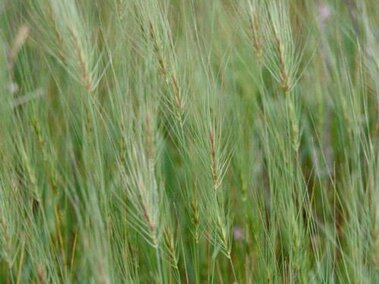
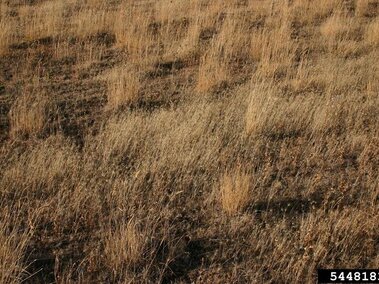
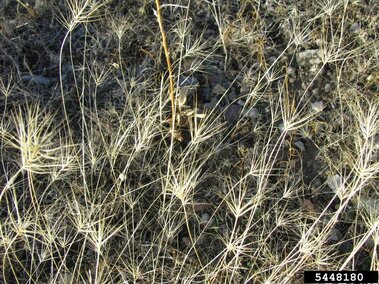
Medusahead is a winter annual grass that can grow 6-20 inches (0.15-0.5m) tall with distinct seed heads. It is vibrant green in color early in the season, but will dry and become a golden-brown color.
Flowers
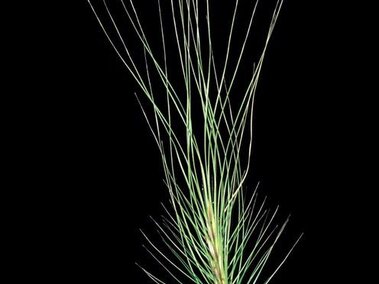
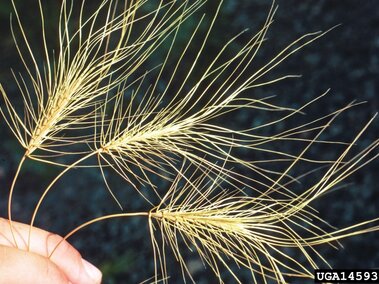
Erect spikes with long bristles and spikelets. When mature, they can bend nearly horizontally. As the bristles dry, they turn tan and may twist and spread, creating an appearance reminiscent of Medusa's snake-covered head.
Leaves
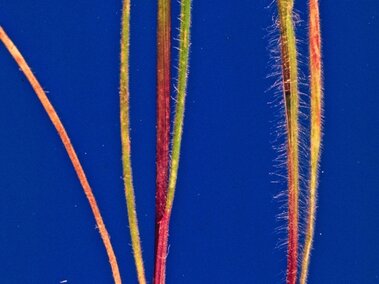
Open leaf sheaths that may be covered with soft, short hairs. Leaves are rolled while in bud and later are flat. Leaves may be glabrous or covered with short hairs.
Stems
Stems are vibrant green, can grow up to 2 feet tall, have evenly distributed leaves, and have 3-6 nodes.
Seeds
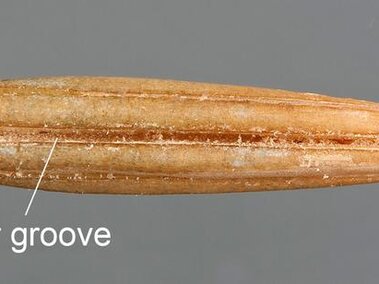
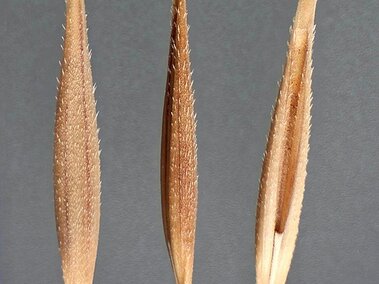
The seeds are light brown, slender, and elliptical, growing 0.16-0.22 inches (4-5.2mm) long with small silica barbs. Seeds have an adaxial groove and fine, short hairs at the tip.
Photos
Where Does It Grow?
Medusahead is distributed along the West Coast, spreading east into Montana and Wyoming. It also occurs in Pennsylvania, New York, and Connecticut. It invades rangeland areas and thrives in soils with high clay content, also growing in loamy and well-drained sandy soils.
How Does It Spread?
Medusahead was first introduced in the late 1800s and spreads via seed dispersal. Seeds can be carried by wind, animals, clothing, vehicles, and other human interaction.
How Do I Control It?
A combination of control methods is recommended for Medusahead management, as well as the establishment of a competitive native plant community. Control is best initiated in the fall through the early winter.
Mechanical
For small infestations, hand-pulling or removing by hoe can be effective. Remove plants when they are large enough to identify but before they have set seed.
Contact your county weed control authority to determine appropriate removal methods.
Cultural
Do not move livestock from infested pastures to areas free of Medusahead.
Establish and maintain a healthy resident plant community to prevent Medusahead infestations.
Help prevent Medusahead spread after outdoor activities by:
REMOVE plants, animals and mud from boots, gear, pets and vehicles.
CLEAN your gear before entering and leaving the recreation site.
STAY on designated roads and trails.
PLANT non-invasive species.
Play, Clean, Go: Stop Invasive Species in Your Tracks
Chemical
Please refer to the 2025 Guide for Weed, Disease and Insect Management in Nebraska and/or contact your county weed control authority.
What Should I Do If I See It in Nebraska?
If you see Medusahead in Nebraska, you should report it to your county weed control authority. For guidance on what information to include in your report, check out our reporting tips.
References and More Information
National Invasive Species Information Center
Nebraska Weed Control Association