Terrestrial invasive pathogens and diseases include diseases and disease-causing microorganisms, such as bacteria, fungi, viruses, and parasitic protozoa, that cause disease in terrestrial plants, animals, and humans. Transmission of these agents often occurs through direct transmission. They can be very persistent, often remaining within the soil, water, and elsewhere (e.g., host organisms) for many years. For some of these, there is no cure for the disease once an organism has been infected.
The Nebraska Invasive Species Council created four categories* for terrestrial invasive pathogens and diseases that are found in Nebraska:
Watchlist Terrestrial Invasive Pathogens and Diseases*
Watchlist Terrestrial Invasive Pathogens and Diseases are potential invasive pathogens and diseases that are uncommon but may be present in Nebraska, and their impacts are unknown at this time. There are currently no known watchlist terrestrial invasive pathogens and diseases in Nebraska.
Potential Terrestrial Invasive Pathogens and Diseases*
Potential Terrestrial Invasive Pathogens and Diseases are invasive pathogens and diseases that have not yet been sampled in Nebraska and are considered a high threat. Those pathogens and diseases include:
Rabbit Hemorrhagic Disease
(Lagovirus spp.)
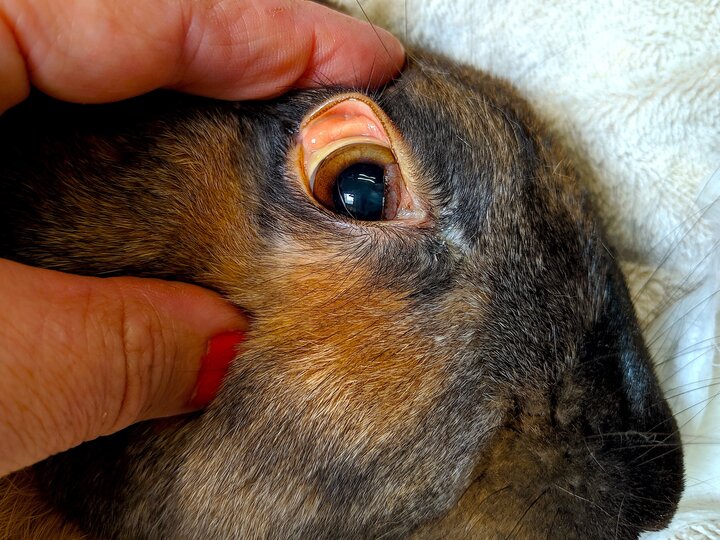
Credit: Rabbit Vet, CC BY-SA 4.0, via Wikimedia Commons
.jpg)
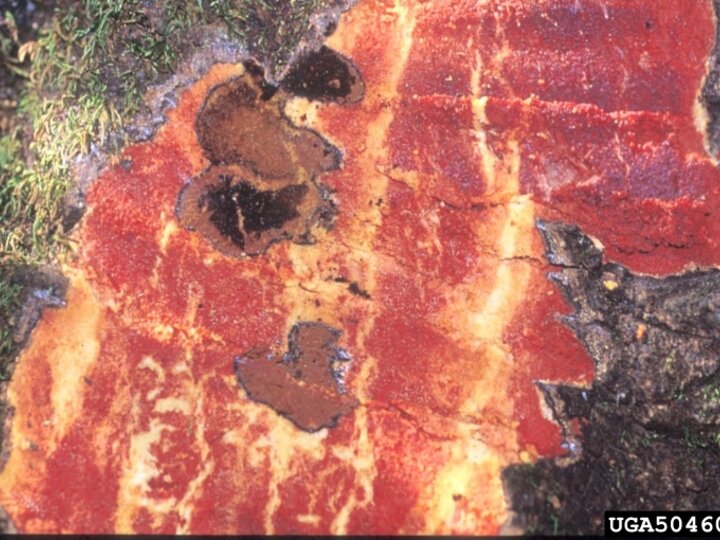
Sudden Oak Death
(Phytophthora ramorum)
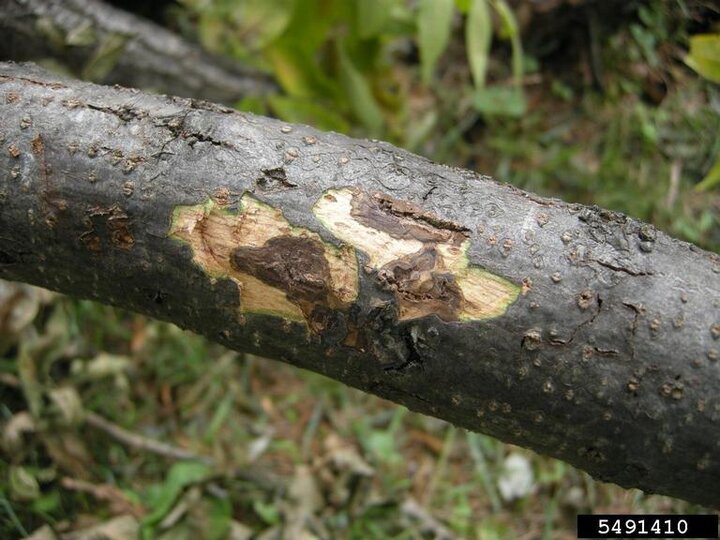
Thousand Cankers Black Walnut Disease
(Geosmithia morbida)
Priority Terrestrial Invasive Pathogens and Diseases*
Priority Terrestrial Invasive Pathogens and Diseases are invasive pathogens and diseases that are considered highly unwanted and all efforts should be made to prevent their spread and/or outbreak. Those pathogens and diseases include:
Avian Influenza
(Alphainfluenzavirus influenzae)
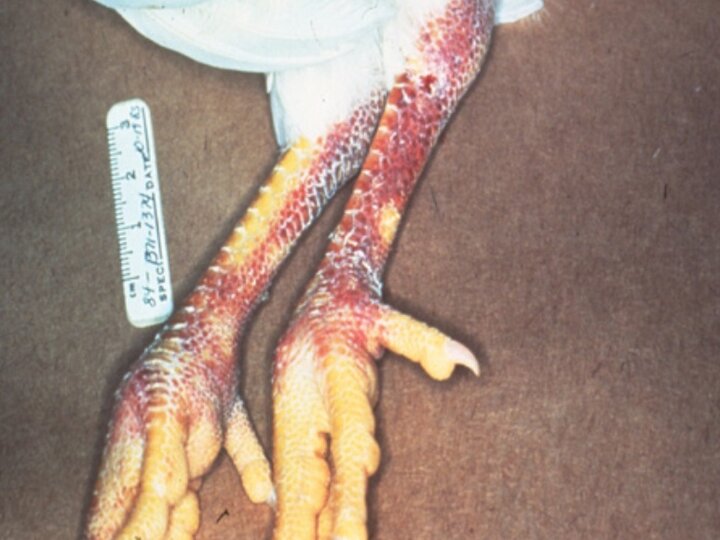
Credit: USDA file photo, Public domain, via Wikimedia Commons

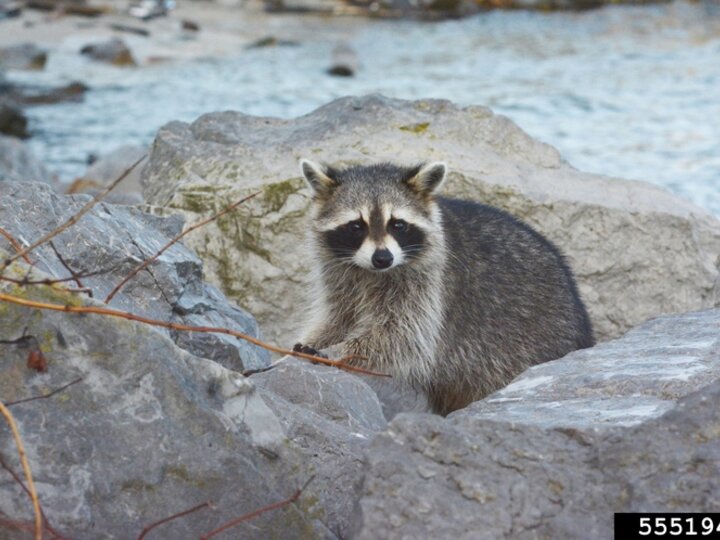
Rabies
(Lyssavirus spp.)
Established Terrestrial Invasive Pathogens and Diseases*
Established Terrestrial Invasive Species are invasive pathogens and diseases that are well established in Nebraska, and total elimination is impossible. Local elimination and containment are the best that can be expected. Those pathogens and diseases include:
Chytrid Fungus
(Batrachochytrium dendrobatidis)
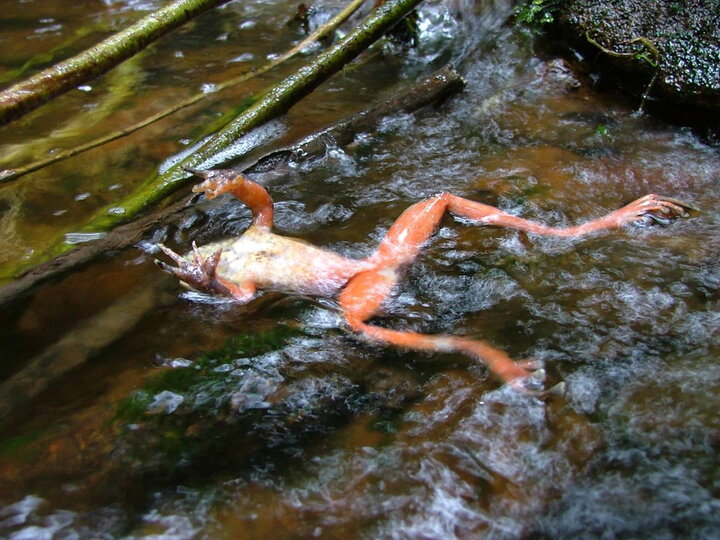
Credit: Forrest Brem, CC BY 2.5, via Wikimedia Commons

White Nose Syndrome
(Pseudogymnacus destructans)
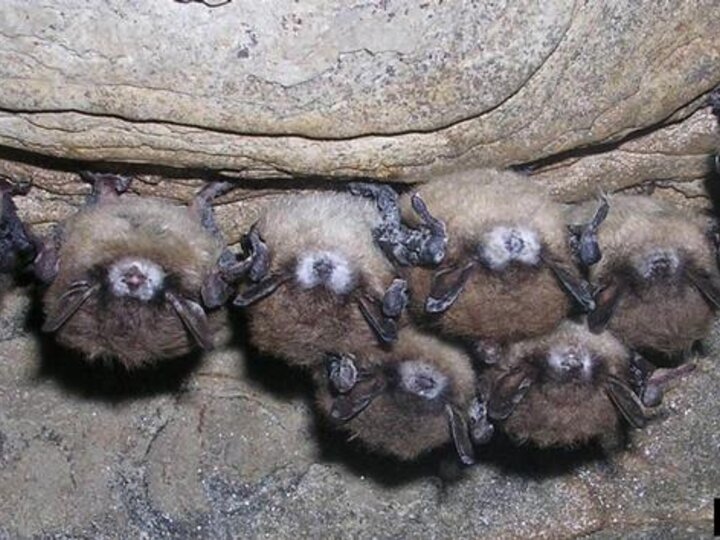
Credit: Al Hicks, NYSDEC, Bugwood.org
*Disclaimer:
As opposed to aquatic invasive species and noxious weeds, there is no official list of Nebraska’s invasive terrestrial (land-dwelling) pathogens and diseases created by a regulatory agency in the state. This list is unofficial; it is not for regulatory purposes and should NOT be used as a substitute for national, state, and/or county notifiable disease reporting requirements.
Instead, this list is intended to serve two purposes:
To enhance the public’s awareness of these potentially high impact diseases and pathogens
To encourage the public to report observations of these pathogens and diseases, which can be shared with regulatory agencies and other organizations to help control and/or prevent their spread in Nebraska
Species on this list may be included for a variety of reasons. Those reasons may include:
The pathogen or disease shows common characteristics identified as invasive in published scientific literature
The pathogen or disease is designated as invasive by a regulatory agency and/or government authority in Nebraska and/or a nearby state
The pathogen or disease appeared in Nebraska and highly impacted its populations, resources, and/or economy in the past, so building awareness among the public is critical to prevent its spread and mitigate its impacts