Terrestrial invasive wildlife include exotic, non-native, or new to the area wildlife that are land-dwelling, meaning they live in non-aquatic habitats, including agricultural fields, prairies, rangelands, forests, urban landscapes, wildlands, and along waterways.
Terrestrial invasive wildlife includes vertebrates (animals with a backbone), such as reptiles, birds, amphibians and mammals. They pose a significant threat to Nebraska’s land-focused resources, supplies, or infrastructure.
With no natural enemies to keep their population in check and their ability to outcompete Nebraska’s native species for food and other resources, terrestrial invasive wildlife can become widespread across a landscape quickly.
The Nebraska Invasive Species Council created four categories* for terrestrial invasive wildlife that are found in Nebraska:
Watchlist Terrestrial Invasive Species*
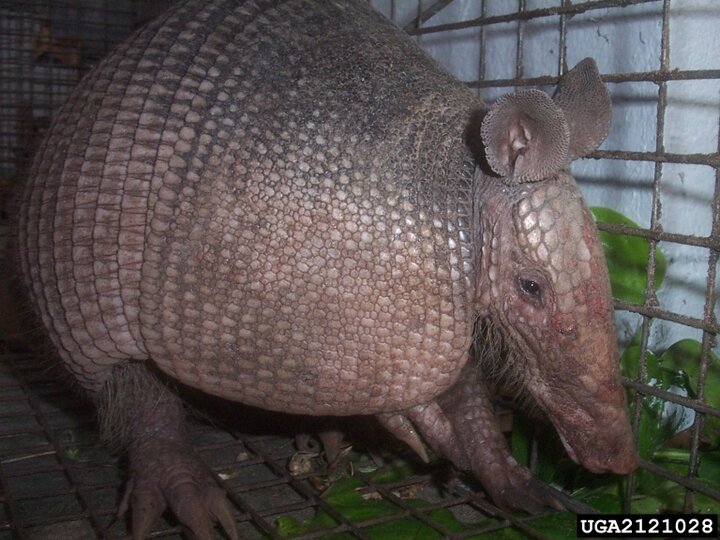
Watchlist Terrestrial Invasive Species are potential invasive species that are uncommon but may be present in Nebraska, and their impacts are unknown at this time. Those species include:
Nine-Banded Armadillo
(Dasypus novemcinctus)
Potential Terrestrial Invasive Species*
Potential Terrestrial Invasive Species are invasive species that have not yet been sampled in Nebraska and are considered a high threat. There are currently no known potential terrestrial invasive wildlife species in Nebraska.
Priority Terrestrial Invasive Species*
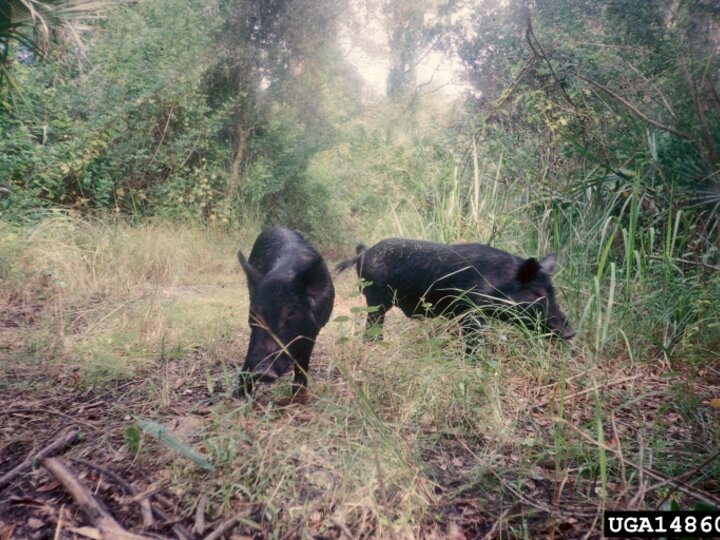
Priority Terrestrial Invasive Species are invasive species that are considered highly unwanted species, and all efforts should be made to prevent the expansion of their populations. Those species include:
Feral Hog
(Sus scrofa)
Established Terrestrial Invasive Species*
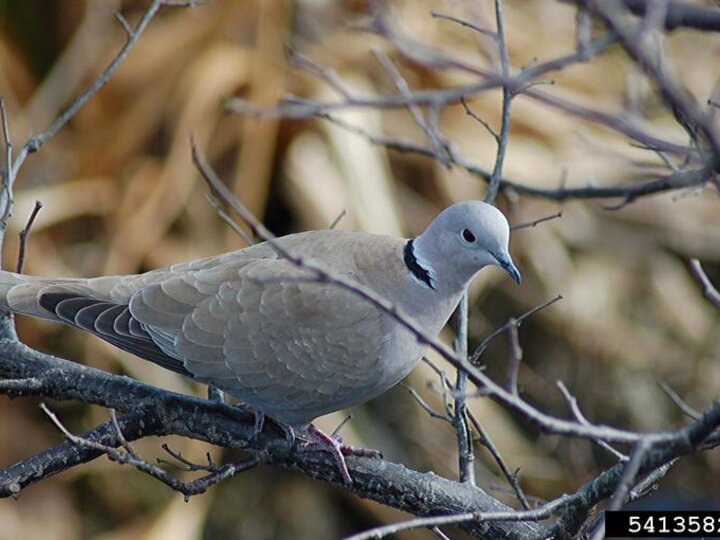
Established Terrestrial Invasive Species are invasive species that are well established in Nebraska, and total elimination is impossible. Local removal and control is the best that can be expected. Those species include:
Eurasian Collared Dove
(Streptopelia decaocto)
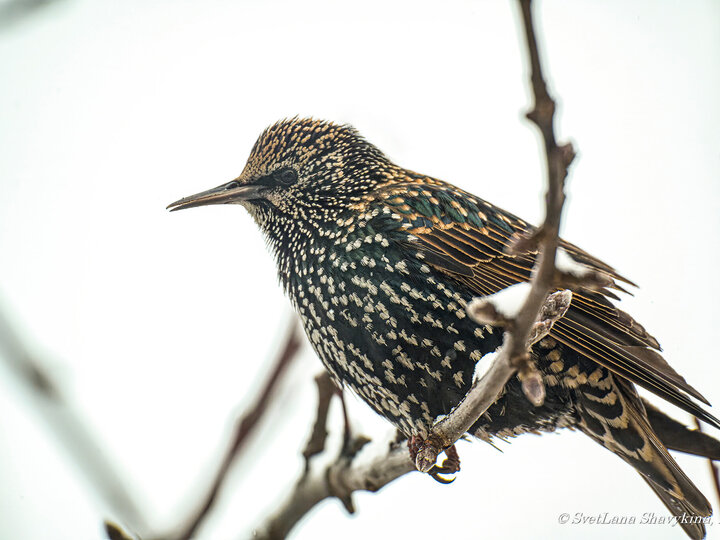
European Starling
(Sturnus vulgaris)
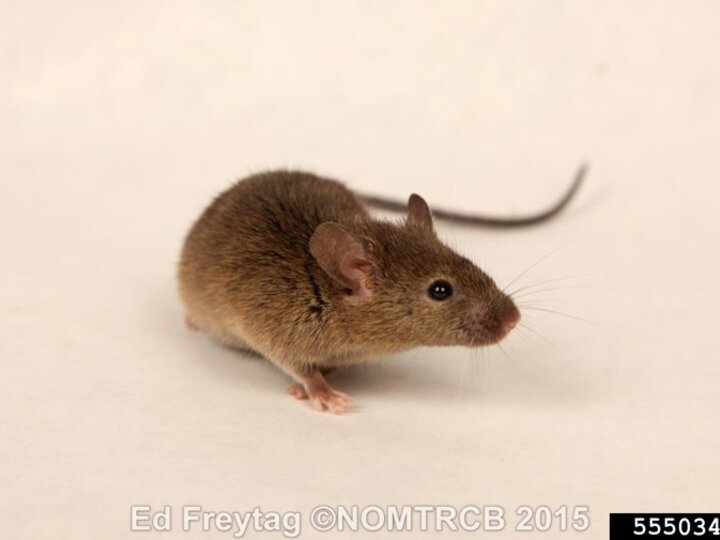
House Mouse
(Mus musculus)
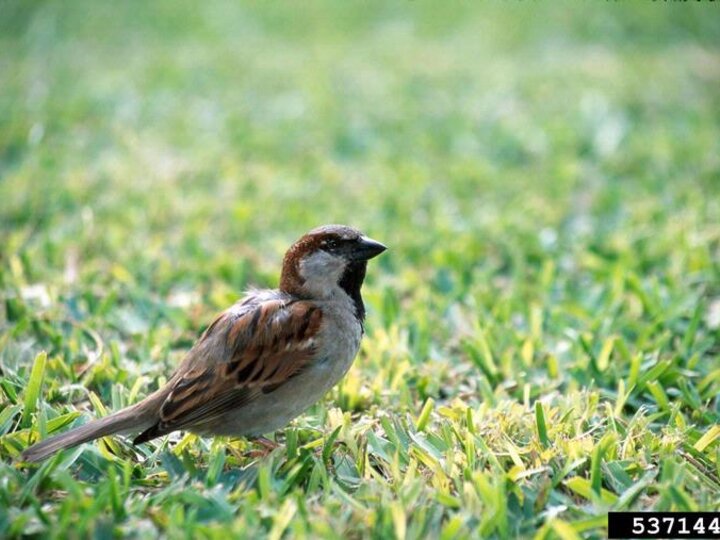
House Sparrow
(Passer domesticus)
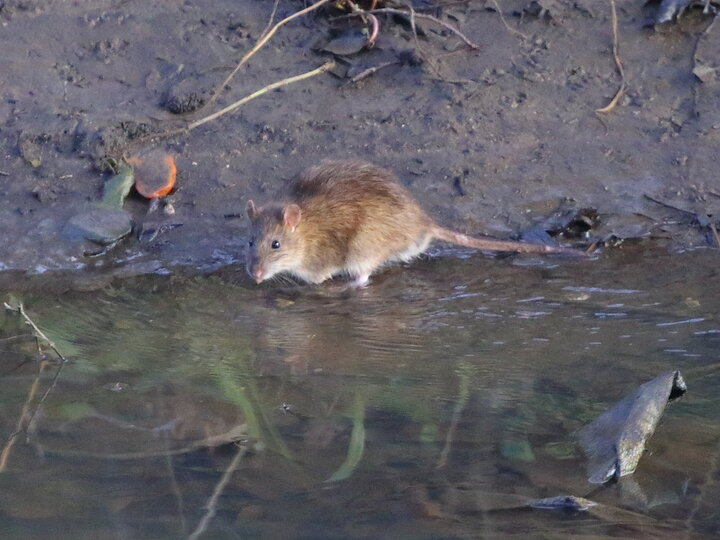
Norway Rat
(Rattus norvegicus)
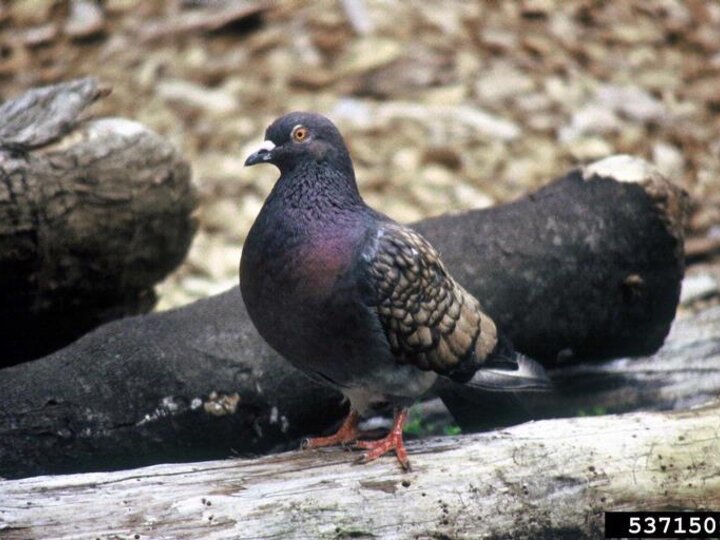
Rock Pigeon
(Columba livia)
*Disclaimer:
As opposed to aquatic invasive species and noxious weeds, there is no official list of Nebraska’s invasive terrestrial (land-dwelling) wildlife species created by a regulatory agency in the state. This list is unofficial; it is not for regulatory purposes.
Instead, this list is intended to serve two purposes:
To be used as a resource for landowners and land managers who find one of these wildlife species on their land and want more information
To encourage the public to report sightings of some of these wildlife species, which can be shared with regulatory agencies and other organizations to help prevent the wildlife's spread and/or establishment in Nebraska and/or to help determine possible management strategies
Species on this list may be included for a variety of reasons. Those reasons may include:
The wildlife species shows common characteristics identified as invasive in published scientific literature
The wildlife species is designated as invasive by a regulatory agency and/or government authority in a nearby state
The wildlife species' population is expanding or has expanded rapidly, causing environmental and/or agricultural damage, and/or acting problematically as determined through credible reports from land managers, landowners, researchers, and/or scientists in Nebraska