Problematic Native Plant Species include trees, shrubs, vines, grasses and herbaceous plants. They can exhibit negative invasive characteristics due to environmental changes or human activity, causing or presenting the risk of causing harm to the environment, economy, or human well-being.
These species may or may not exhibit aggressive, invasive-like characteristics depending on the habitat they are found in; each situation varies and is dependent on living and/or once-living components of an ecosystem, such as plants, fungi, animals, and bacteria, and non-living, physical, and chemical components of an ecosystem, such as sunlight, temperature, water, air, and soil. Removal and control of these species may be needed. Additional research and education are encouraged to determine appropriate next steps for each individual situation. Those species include:
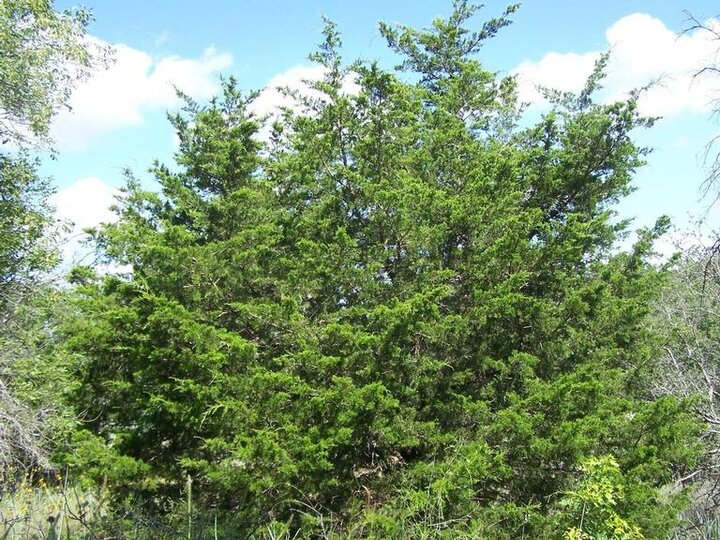
Eastern Redcedar
(Juniperus virginiana)
*Disclaimer:
As opposed to aquatic invasive species and noxious weeds, there is no official list of Nebraska’s invasive terrestrial (land-dwelling) plant species created by a regulatory agency in the state. This list is unofficial; it is not for regulatory purposes.
Instead, this list is intended to serve three purposes:
To evaluate a plant species for horticultural, agricultural, or ecological projects. A species on this list may warrant further research before being planted or used
To be used as a resource for landowners and land managers who find one of these plant species on their land and want more information
To encourage the public to report sightings of some of these plant species, which can be shared with regulatory agencies and other organizations to help prevent the plant's spread and/or establishment in Nebraska and/or to help determine possible management strategies
Species on this list may be included for a variety of reasons. Those reasons may include:
The plant species shows common characteristics identified as invasive in published scientific literature
The plant species is designated as invasive by a regulatory agency and/or government authority in a nearby state
The plant species is spreading rapidly, causing environmental and/or agricultural damage, and/or acting problematically as determined through credible reports from land managers, landowners, researchers, and/or scientists in Nebraska